Foot pain can creep up out of nowhere. One minute, you’re enjoying a run across a trail, park, or rocky path. The next, you’re limping, wincing, or wondering whether you’ve done something more serious than simply “overdone it”.
If your foot pain started after running on uneven terrain, it may not be random. Uneven surfaces force your foot and ankle to work harder than usual. Every step requires extra balance, control, and shock absorption. When the foot lands awkwardly or repeatedly twists to stabilise itself, the ligaments, tendons, joints, and muscles can become irritated or injured.
At Physio Medicine, we regularly see runners and active individuals who develop foot pain after trail running, hill walking, outdoor sports, or even a single awkward step. While some cases settle quickly with the right care, others can turn into ongoing pain, ankle instability, or recurring injuries if they are ignored.
So, what does foot pain after running actually mean, and when should you seek help?
Why Can Running on Uneven Terrain Cause Foot Pain?
Running on flat ground is already demanding on the feet. Add rocks, slopes, tree roots, potholes, wet grass, or uneven pavements into the mix, and your foot has to constantly adapt.
Instead of landing in a predictable position, your foot may roll inwards, twist outwards, or strike the ground at an unusual angle. This can place sudden stress on the ankle ligaments and the soft tissues around the foot.
Common structures affected include:
- The ankle ligaments, especially on the outside of the ankle
- The muscles and tendons that support the arch
- The plantar fascia underneath the foot
- The small joints of the midfoot
- The calf and Achilles tendon
- The stabilising muscles around the ankle
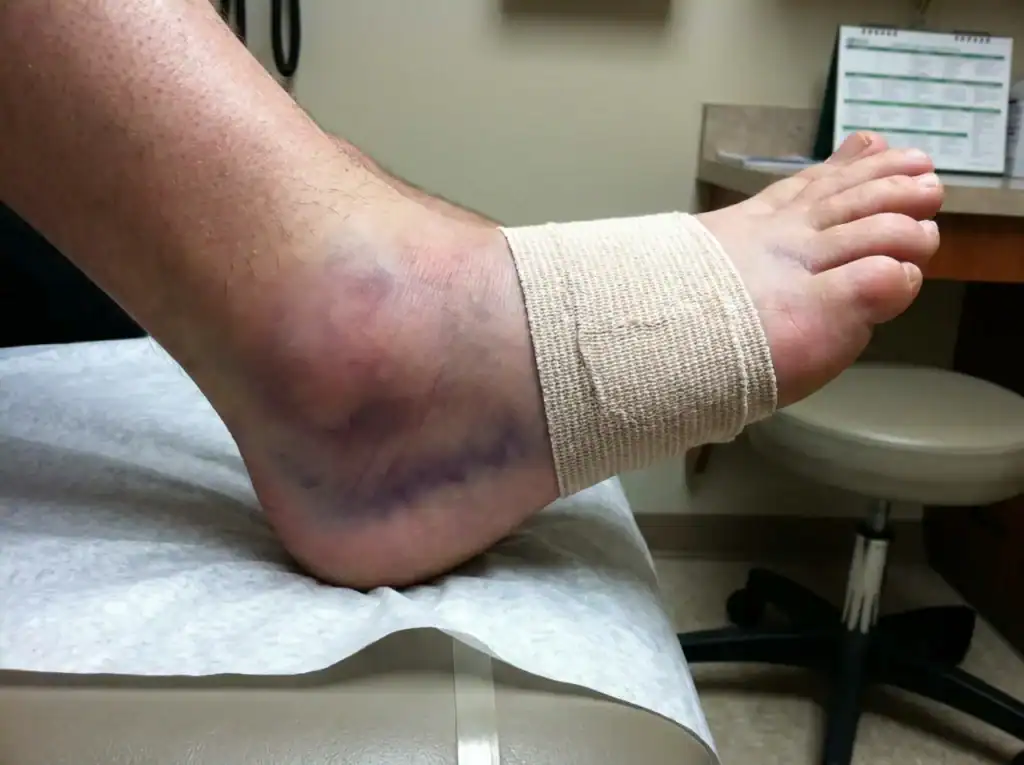
In many cases, the issue is a soft tissue injury. This means the muscles, tendons, ligaments, or fascia have been overstretched or overloaded. A common diagnosis following this type of injury is an ankle sprain, often involving the ligaments on the outside of the ankle.
Could It Be a Grade 2 Ankle Sprain?
A Grade 2 ankle sprain is a moderate sprain. It usually means that some fibres of the ligament have been damaged, but the ligament has not completely ruptured.
This type of injury can happen when the foot rolls suddenly on uneven ground. You may not always feel a dramatic “pop” or fall to the ground. Sometimes, the pain builds during or after the run, especially once the foot cools down.
Typical symptoms of a Grade 2 ankle sprain may include:
- Pain around the outside of the ankle or foot
- Swelling or bruising
- Tenderness when pressing the area
- Pain when walking, running, or going downstairs
- A feeling that the ankle is weak or unstable
- Reduced confidence putting weight through the foot
That said, not every case of foot pain after running is an ankle sprain. Some people develop tendon irritation, midfoot joint strain, plantar fascia overload, or bruising within the soft tissues. This is why a proper assessment matters.
Is Foot Pain After Running Temporary?
In many cases, yes, foot pain after running can be temporary.
If the injury is mild and managed well early on, symptoms may improve over a few days to a couple of weeks. However, the key phrase here is “managed well”. Carrying on as normal, running through pain, or assuming it will sort itself out can sometimes make the problem worse.
Without the right care, a simple foot injury may lead to:
- Recurring ankle sprains
- Ongoing foot or ankle pain
- Weakness around the ankle
- Poor balance and reduced stability
- Changes in running technique
- Increased risk of knee, hip, or lower back issues
Your body is clever. Pain is often an early warning sign that something is not coping with the load being placed on it. Ignoring that warning can turn a short-term issue into a long-term frustration.
What Should You Do in the First Few Days?
The first three to five days after a foot or ankle injury are important. Your main goal is to calm irritation, protect the tissues, and avoid making things worse.
Rest does not mean doing absolutely nothing, but it does mean reducing the activities that aggravate your pain.
Apply Ice Safely
Ice can help reduce pain and calm swelling in the early stages.
Apply ice for around 15 minutes at a time. Always wrap it in a towel or pillowcase before placing it on your skin. Never apply ice directly, as this can cause skin irritation or an ice burn.
You can repeat this two to three times per day during the first few days, especially if the area feels hot, swollen, or sore after walking.
Modify Your Activity
Avoid running, jumping, sprinting, and high-impact exercise until your symptoms settle. This is not the time to “test it out” with another run.
Walking is usually acceptable if the pain is mild and does not worsen afterwards. However, if you are limping, your body is telling you that the foot is not ready for that level of load.
A useful rule of thumb is this: if your pain changes the way you walk, reduce the load.
Wear Supportive Footwear
Soft, unsupportive shoes can make foot pain worse. In the early stages, wear comfortable trainers with good support. Avoid flip-flops, slippers with no structure, or walking barefoot for long periods if these increase your symptoms.
Supportive footwear can help reduce unnecessary strain while the injured tissues begin to recover.
When Should You See a Physiotherapist?
You should consider booking a physiotherapy assessment if your symptoms persist beyond a few days or if you notice swelling, bruising, instability, or pain when walking.
A physiotherapist can assess the injury properly and help you understand what is actually going on. This is especially important if you are a runner, play sport, or have had previous ankle sprains.
At Physio Medicine, an assessment may look at:
- The location and behaviour of your pain
- Swelling, bruising, tenderness, and movement
- Ankle stability and ligament involvement
- Foot posture and biomechanics
- Balance and single-leg control
- Calf strength and ankle mobility
- Walking or running patterns
- Your training history and recent changes in load
This helps identify not only what has been injured, but also why it happened in the first place.
Why Proper Assessment Matters
It is tempting to wait and hope foot pain disappears on its own. Sometimes it does. But pain settling does not always mean the foot has fully recovered.
After an ankle sprain or soft tissue injury, your balance, strength, and joint control can remain reduced even after the pain improves. This is one reason people often sprain the same ankle again weeks or months later.
A proper physiotherapy assessment helps confirm whether you are dealing with a mild overload issue, a moderate sprain, tendon irritation, joint restriction, or another cause of foot pain.
More importantly, it gives you a plan.
Rather than guessing, you can follow structured rehabilitation that improves strength, restores confidence, and helps reduce the risk of recurrence.
What Does Rehabilitation Usually Involve?
Rehabilitation depends on the injury, your pain levels, and your goals. A runner training for an event will need a different plan from someone who simply wants to walk comfortably again.
In general, physiotherapy for foot pain or ankle sprain may include several stages.
Early treatment often focuses on reducing pain and swelling, restoring comfortable movement, and helping you walk normally again. Once symptoms settle, the focus usually shifts towards strengthening the muscles around the foot, ankle, and calf.
Balance training is also a big part of recovery. After an ankle sprain, the body’s position sense can become less accurate. In plain English, your ankle may not react as quickly or confidently when the ground changes beneath you. That is a problem if you run on trails or uneven surfaces.
Later-stage rehabilitation may include hopping, landing drills, running preparation, and a gradual return-to-running plan.
The aim is not just to get you pain-free. The aim is to get you strong, stable, and ready for the demands of your usual activity.
Can You Keep Running With Foot Pain?
This depends on the severity of your symptoms.
If the pain is sharp, worsening, causing you to limp, or present during normal walking, running is not advisable. Continuing to run can increase tissue irritation and delay recovery.
If the pain is very mild and improving, a physiotherapist may guide you through a modified running plan. This might include shorter distances, flatter routes, slower pace, or walk-run intervals.
However, running on uneven terrain should usually be avoided until your balance, strength, and ankle control have improved.
As the saying goes, don’t run before you can walk. In this case, quite literally.
Warning Signs You Should Not Ignore
Most soft tissue injuries are manageable, but certain symptoms should be taken seriously.
Seek medical advice promptly if you experience severe pain, significant swelling, obvious deformity, numbness, inability to put weight through the foot, or pain that is not improving. You should also seek urgent assessment if you suspect a fracture or if the injury followed a heavy fall or direct trauma.
How to Reduce the Risk of Foot Pain Happening Again
Once your foot pain improves, it is worth looking at prevention. Many running injuries happen because the tissues are asked to do more than they are currently prepared for.
To reduce your risk of another foot injury, build up your running gradually. Avoid sudden jumps in distance, speed, hills, or trail difficulty. Strength training for the calves, glutes, and foot muscles can also make a big difference.
Balance exercises are particularly useful if you run outdoors. Your foot and ankle need to react quickly when the ground is unpredictable. The better your control, the less likely you are to roll your ankle again.
It is also worth reviewing your footwear. Worn-out trainers or shoes that do not suit your running style can contribute to overload. If you mainly run on trails, trail-specific shoes may offer better grip and support than standard road running shoes.
How Physio Medicine Can Help
Foot pain can be frustrating, especially when it stops you from running, walking comfortably, or staying active. The good news is that most foot and ankle injuries respond well to the right treatment and rehabilitation.
At Physio Medicine, we help identify the cause of your pain and create a personalised recovery plan. This may include hands-on treatment, mobility work, strengthening exercises, balance training, running advice, and a safe return-to-activity programme.
The goal is simple: help you recover properly, reduce the risk of the injury coming back, and get you moving with confidence again.
Frequently Asked Questions
Why does my foot hurt after running on uneven ground?
Your foot may hurt because the muscles, ligaments, tendons, or joints have been overloaded. Uneven ground forces the foot and ankle to stabilise repeatedly, which can lead to soft tissue irritation, ankle sprain, or foot strain.
How long does foot pain after running take to heal?
Mild foot pain may settle within a few days with proper care. Moderate injuries, such as a Grade 2 ankle sprain, can take several weeks to recover fully. Healing time depends on the severity of the injury, your activity level, and whether you follow a structured rehabilitation plan.
Should I ice my foot after a running injury?
Ice can help reduce pain and swelling in the first few days. Apply it for around 15 minutes, two to three times per day, and always wrap it in a towel or pillowcase before placing it on the skin.
Can I walk with a foot injury?
You can usually walk if the pain is mild and you are not limping. If walking increases your pain or changes the way you move, you should reduce the load and seek professional advice.
When should I book a physiotherapy appointment?
Book a physiotherapy appointment if your pain lasts more than a few days, you notice swelling or bruising, you feel unstable, or you are unable to return to normal activity comfortably.
Foot pain after running on uneven terrain is often a sign that the foot and ankle have been overloaded. In many cases, it is temporary, but that does not mean it should be ignored.
A soft tissue injury or ankle sprain can become a recurring problem without the right care. Early management, proper assessment, and structured rehabilitation can make all the difference.
Your body is giving you a signal. Listen to it early, treat it properly, and you will give yourself the best chance of returning to running stronger, safer, and more resilient.